Signage and raised lettering
Lightweight letters and logos that hang on façades without overloading the fixings.
Metal façades and signageWhen weight or corrosion resistance without coating matters, aluminium is the answer: roughly a third of steel’s weight, and it does not rust. But it is reflective and thermally conductive, so it needs finer cutting control — which is our job.
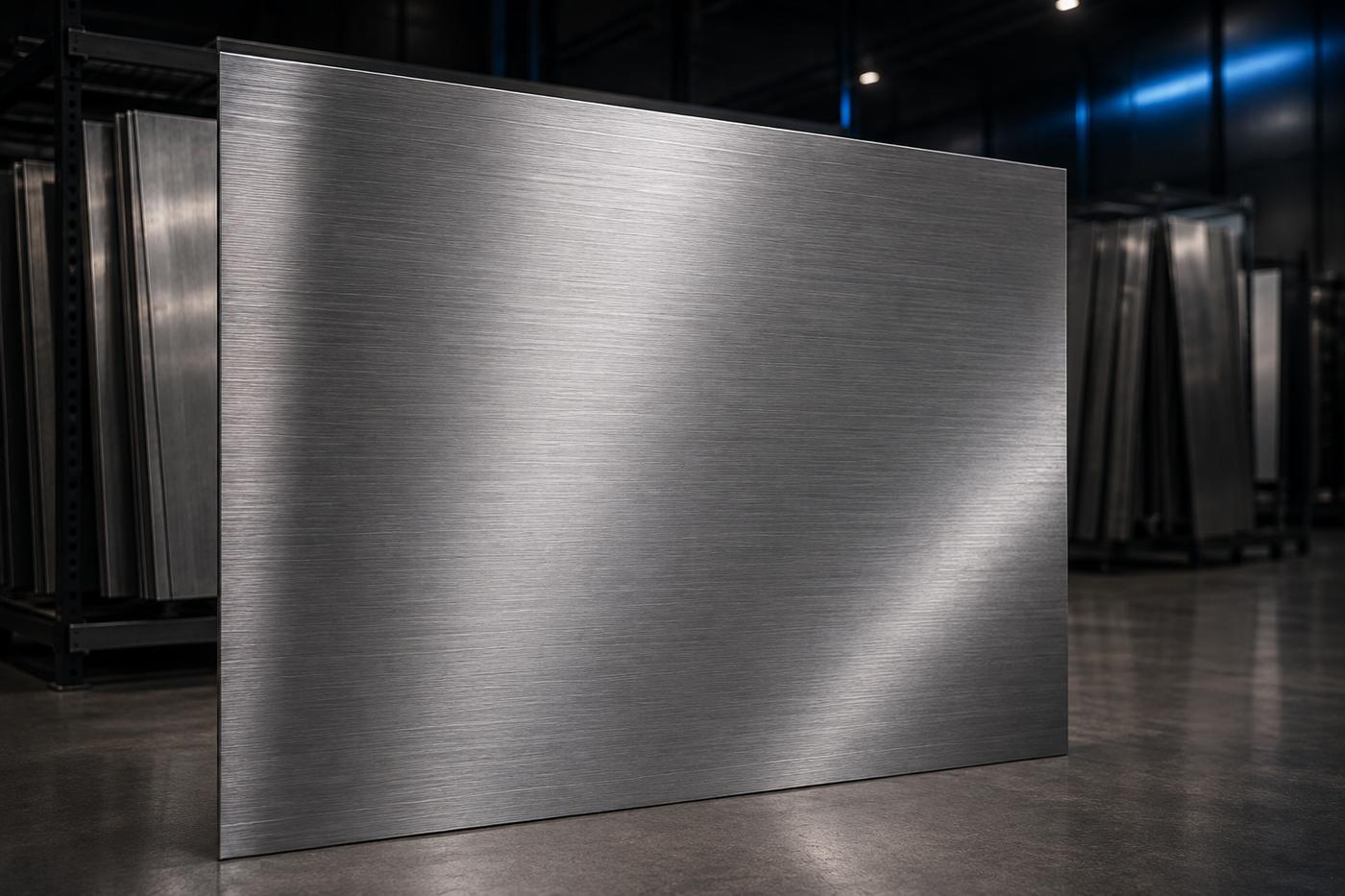
Aluminium reflects a large share of the beam’s energy and conducts heat away quickly, so heat escapes the cut zone instead of concentrating in it. Cutting it therefore needs different power, speed and gas pressure than steel — otherwise dross sticks to the underside of the edge and needs hand cleaning.
With correct settings the edge comes out clean and sharp and the sheet stays flat with no thermal distortion. That matters most in signage and large covers, where any bow in the panel is obvious once installed.
And because aluminium scratches more easily than stainless, we keep the protective film on during handling, and flag it if your order will later be anodised or coated — since that changes how the surface must be handled.
Lightweight letters and logos that hang on façades without overloading the fixings.
Metal façades and signagePanels with switch, display and cable cut-outs at exact positions, ready for engraving and labelling.
Brackets, bases and moving parts where aluminium reduces total weight and energy use.
Perforated decorative panels for shading or décor that survive Jeddah’s humidity without rusting.
Precisely cut parts to be anodised in stable colours, allowing for the slight thickness anodising adds.
A light, quick-to-assemble sample for testing and adjusting an idea before final production.
Three metals are sometimes requested for the same part — weight, environment and budget decide between them.
| Criterion | Aluminium | Better alternative |
|---|---|---|
| Weight | By far the lightest — it reduces fixing loads and transport cost. | Nothing beats it when weight is the first criterion. |
| Corrosion resistance | It does not rust; a protective oxide forms on its surface naturally. | 316 stainless for harsh salty air and chemical contact. |
| Strength under load | Good in 6061, but below steel at the same thickness. | Carbon steel for load-bearing parts and structural frames. |
| Price | More expensive than steel, usually below stainless. | Coated steel if budget is the main constraint. |
| Final appearance | Takes anodising and coating in stable colours with a refined finish. | Brushed stainless for a premium, lasting metallic look. |
Tell us the part’s use and its working environment, and we recommend the right metal before quoting — not after production.
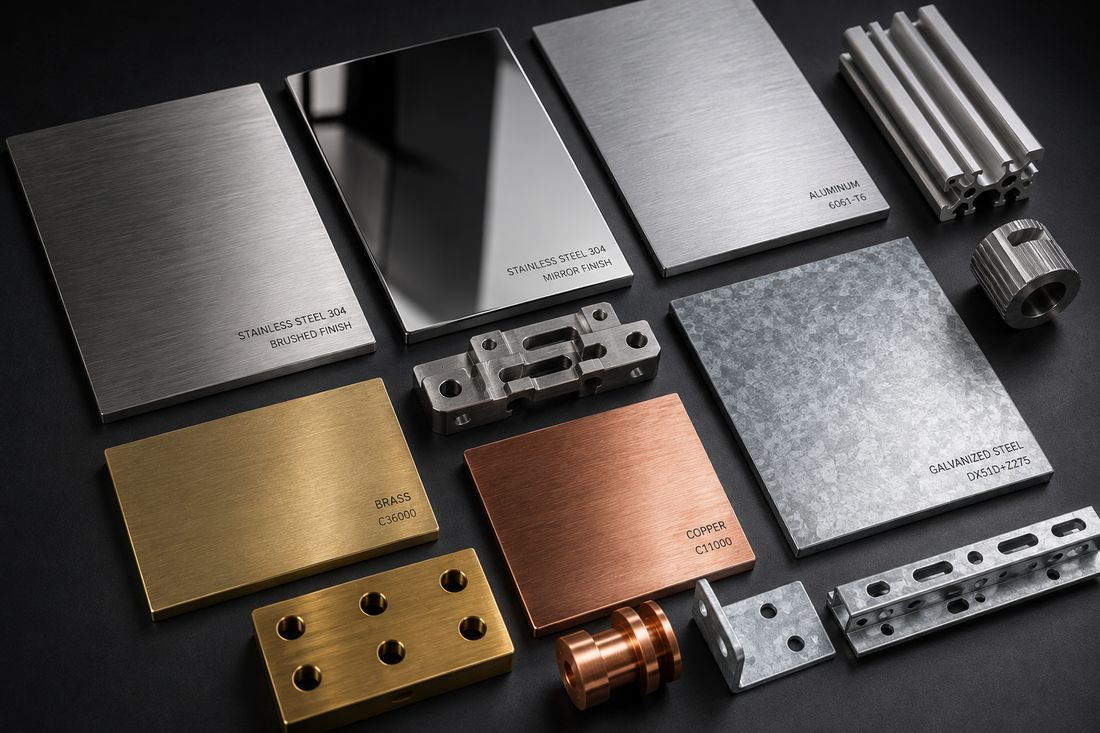 Metal samples
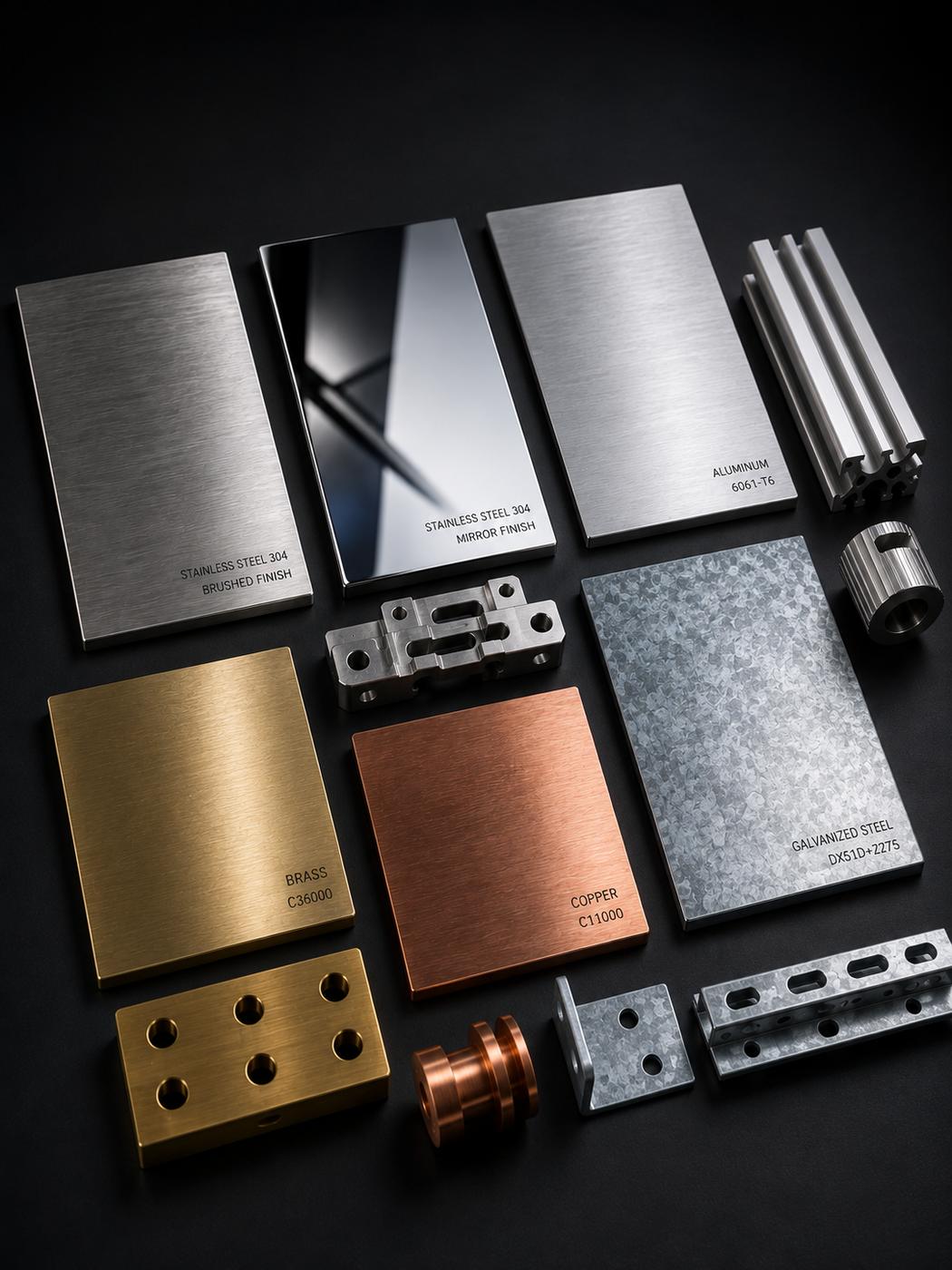 Panels and parts
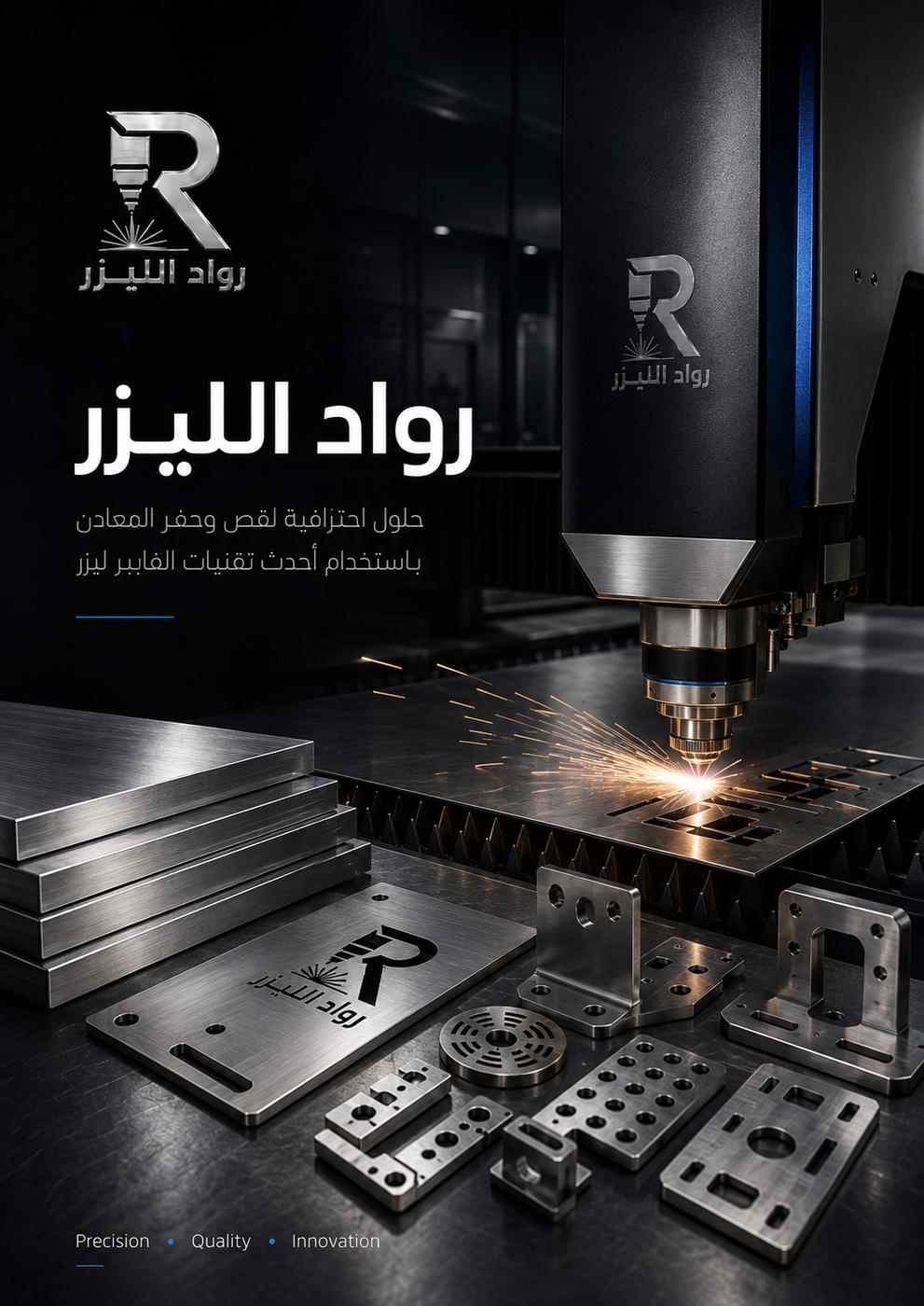 Precision parts
Images are visual samples illustrating the service.
Light weight means simpler fixing and greater safety in large suspended lettering.
Less inertia and lower energy use in parts that move or are lifted often.
Shading and cladding panels that resist coastal humidity without periodic coating maintenance.
Ideal surfaces for engraving and labelling on control panels with a clean, lasting look.
Bending with an inside radius suited to the alloy so the outer edge does not crack.
Open the pageHigh-contrast marking of numbers and symbols on instrument panels and industrial parts.
Open the pageOther reflective metals we cut with dedicated settings for decorative and electrical work.
Open the pageYes, with the right power, speed and gas pressure. At some thicknesses fine dross can remain; we remove it during finishing before delivery so the edge reaches you clean.
Yes — it does not rust and forms a protective oxide. In salty air it can develop light white oxidation over time; anodising or coating prevents that and keeps the appearance for years.
It adds a very thin layer that can matter in tight assemblies and narrow holes. Tell us in advance that the part will be anodised and we allow for it in hole diameters and clearances.
5052 is an excellent signage choice: high corrosion resistance and good formability for letters and folded edges. Send the sign size and intended fixing method and we will set the right thickness.
State the alloy if you know it, the thickness and quantity, and whether it will be anodised or coated after cutting.
Send dimensions or a design file and get a clear price and a defined delivery date.