
Tables and worktops
Prep tables with smooth surfaces free of visible joints, and adjustable legs built for daily use.
Restaurant and kitchen fittingsWe do not just cut sheets — we build the complete unit: cutting, bending, welding, polishing, then delivery of a ready-to-use piece. Stainless lasts twenty years when it is made properly, and rusts within one when the details are neglected.
Specialised pages for stainless work
Most rust complaints in stainless work are not about the metal — they are about how it was fabricated. Three common mistakes are enough to ruin a sound part: surface contamination by iron particles from tools used on plain steel, welds left with their heat-tint layer uncleaned, and deep scratches that break the natural protective layer and become a starting point for corrosion.
Stainless protects itself with an invisible chromium-oxide layer that regenerates in the presence of oxygen. The fabricator’s job is to leave that layer intact: dedicated stainless tooling, cleaning of weld zones, and polishing along the grain rather than across it. This is not a luxury — it is the difference between a part that stays and a part that gets replaced.
In Jeddah specifically, the salty coastal air multiplies the effect of any of these mistakes. That is why every stainless order starts with a question about where it will be installed and in what environment — before we ask about dimensions — because the answer sets the grade, the finish and the handling method.
Prep tables with smooth surfaces free of visible joints, and adjustable legs built for daily use.
Restaurant and kitchen fittingsShelving with calculated load capacity, and open or closed storage units sized to the space you actually have.
Basins with correct drainage slope and tight, leak-free joints, with edges that stop water pooling.
Column cladding, entrance lettering, dividers and balustrades with a consistent finish that holds up in daylight.
Metal façades and signageEnclosures, hoppers and conveyor sections working in wet or food environments that need an easily sanitised surface.
A non-standard unit you cannot buy off the shelf: we build it from scratch to your size and function.
Custom-made solutionsFour decisions we take with you before production — each one shows its effect years later, not days.
| Decision | Options | Our recommendation |
|---|---|---|
| Grade | 304, 316 or 430 depending on environment and budget. | 316 for any unit near the sea or in contact with salt water or strong cleaners; 304 for interiors. |
| Finish | Brushed, mirror or 2B. | Brushed for daily-use surfaces since it hides scratches and fingerprints; mirror for decorative elements only. |
| Joining method | Continuous welding, spot welding or bolted assembly. | Continuous, polished welds for food and wet surfaces, because they leave no crevices for residue. |
| Thickness | Set by the load and the span between supports. | Heavier for surfaces that are loaded or cut on; lighter for non-structural decorative panels. |
Availability and thicknesses vary by order — tell us the unit’s use and installation location and we will define the right spec before quoting.
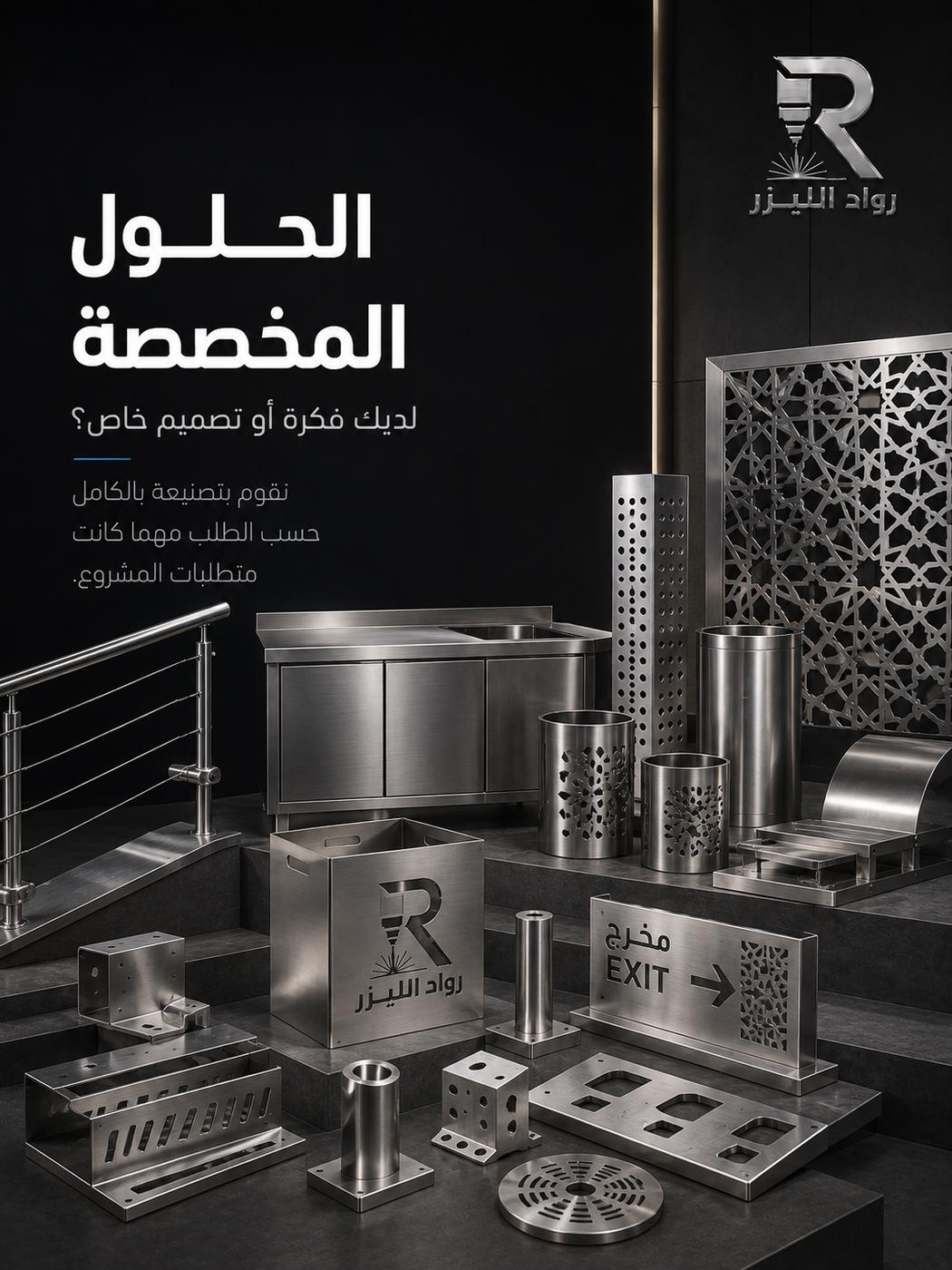 Fabricated units
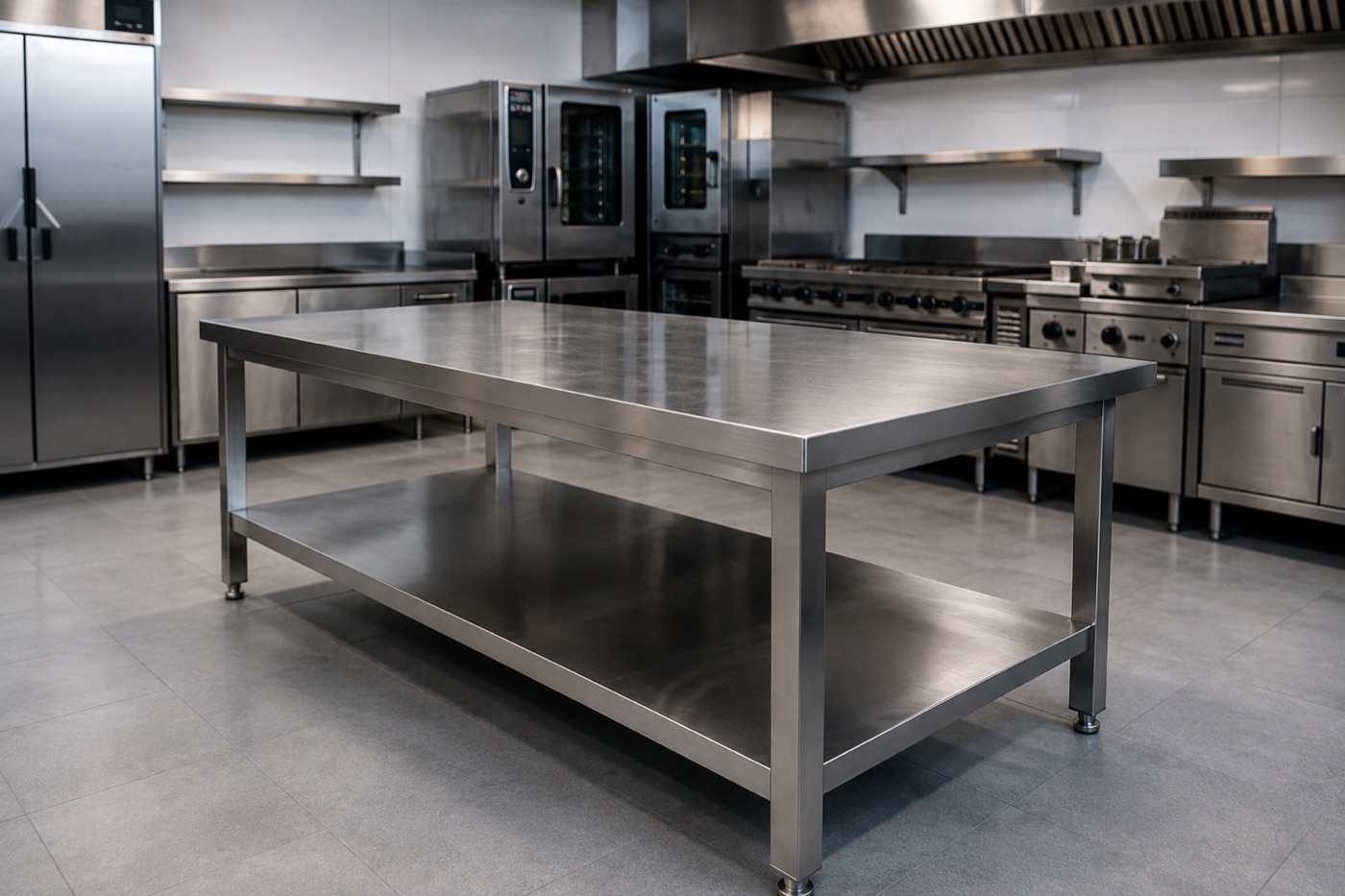 Prep table
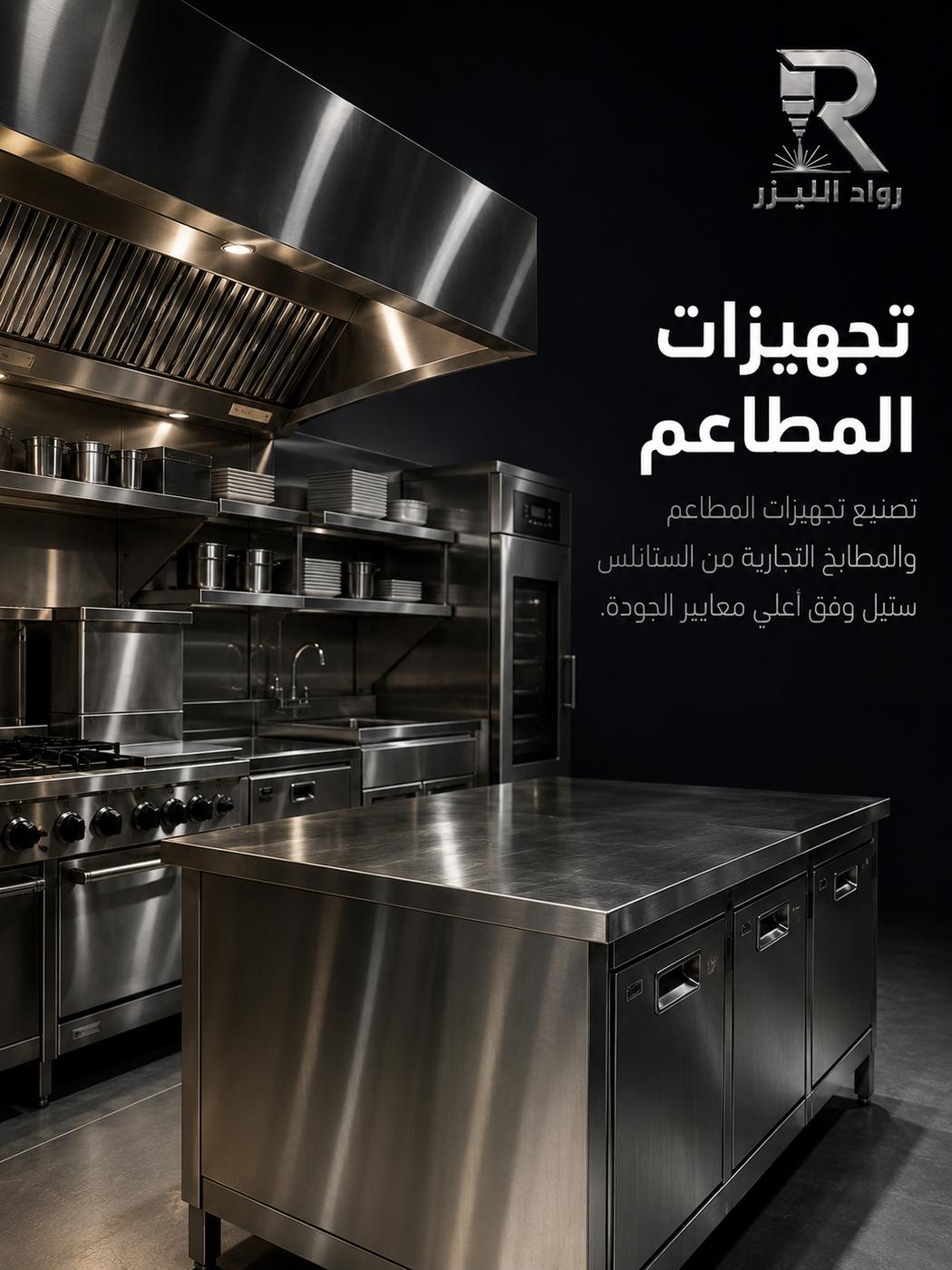 Restaurant fittings
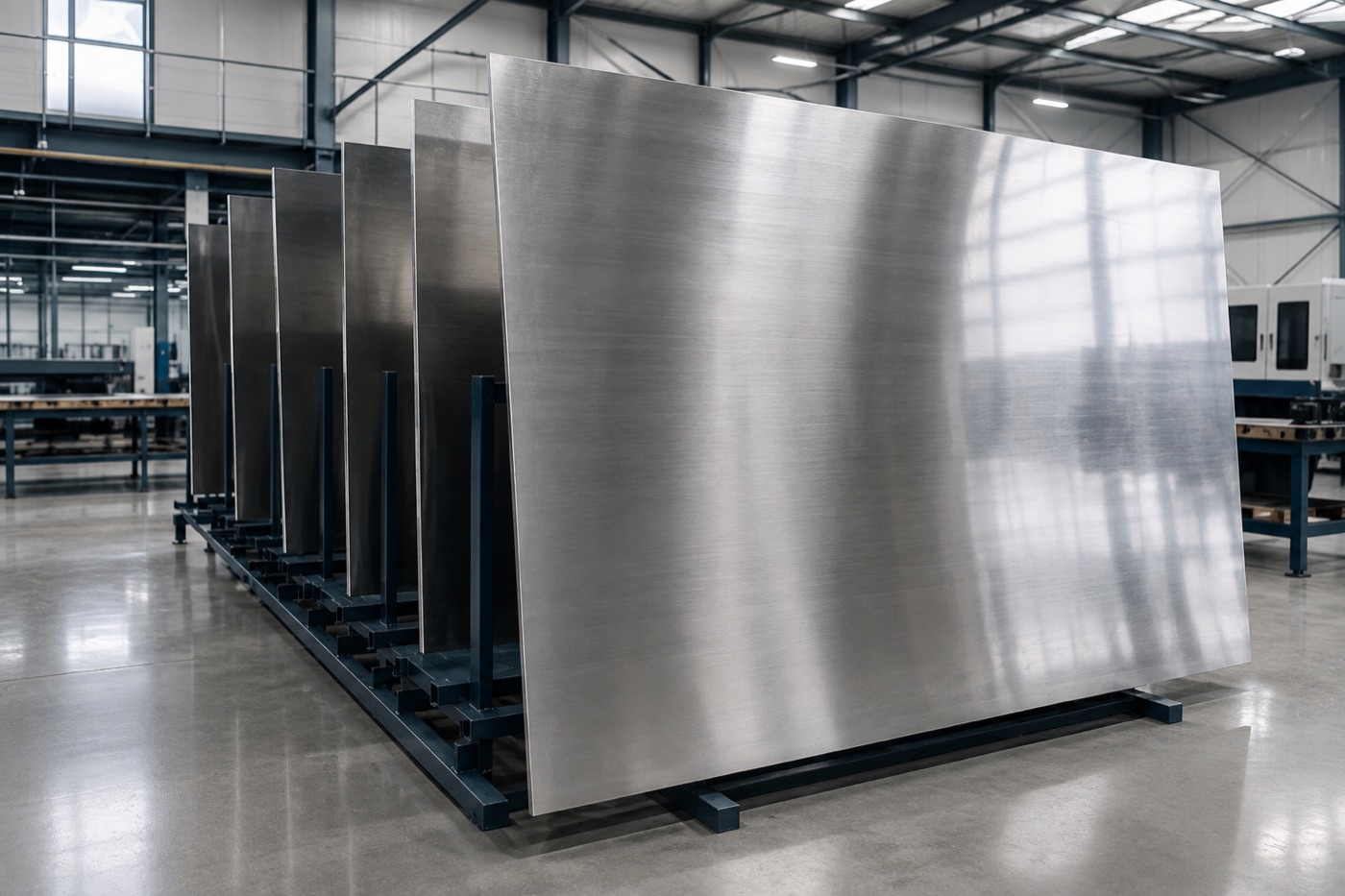
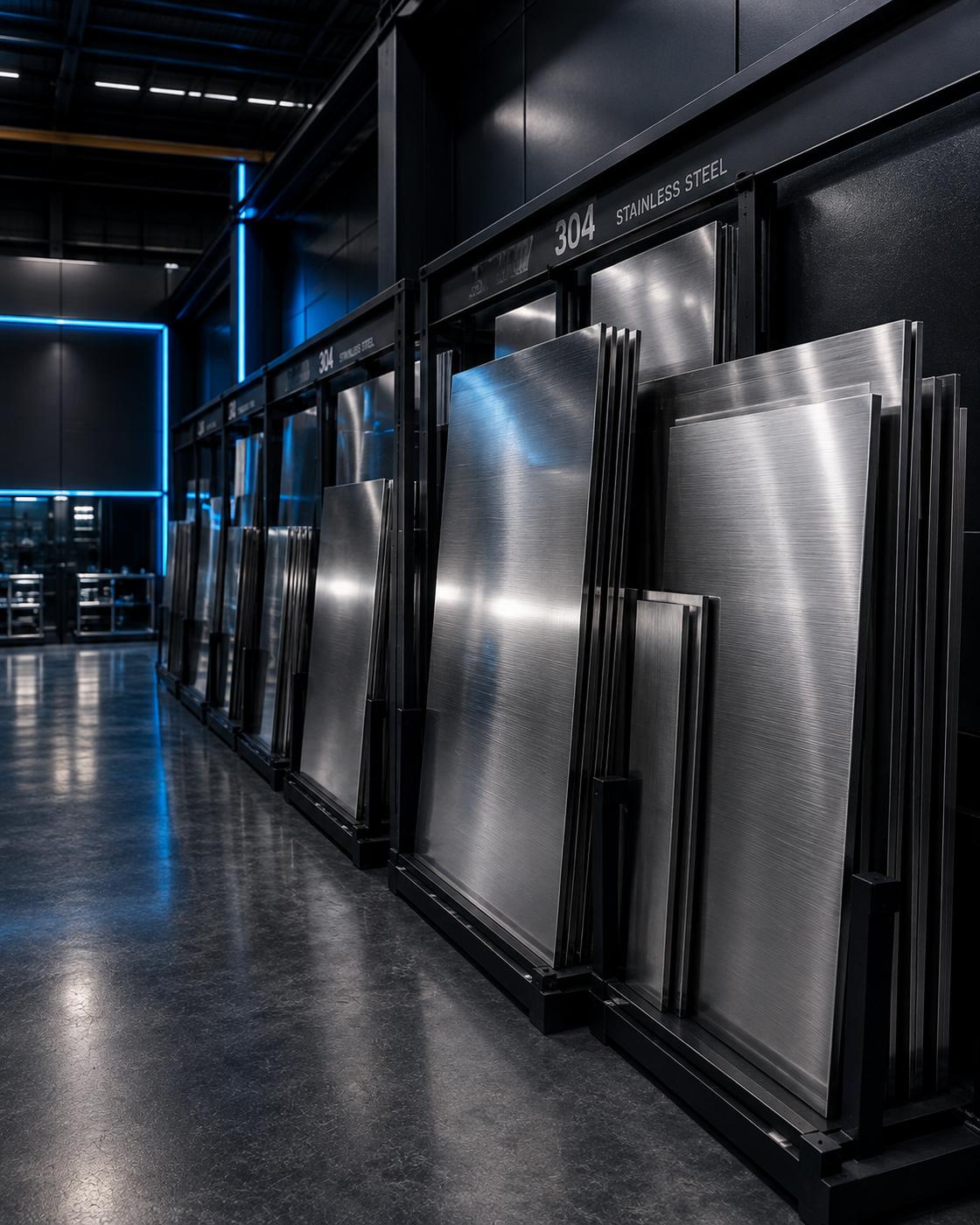 Raw material
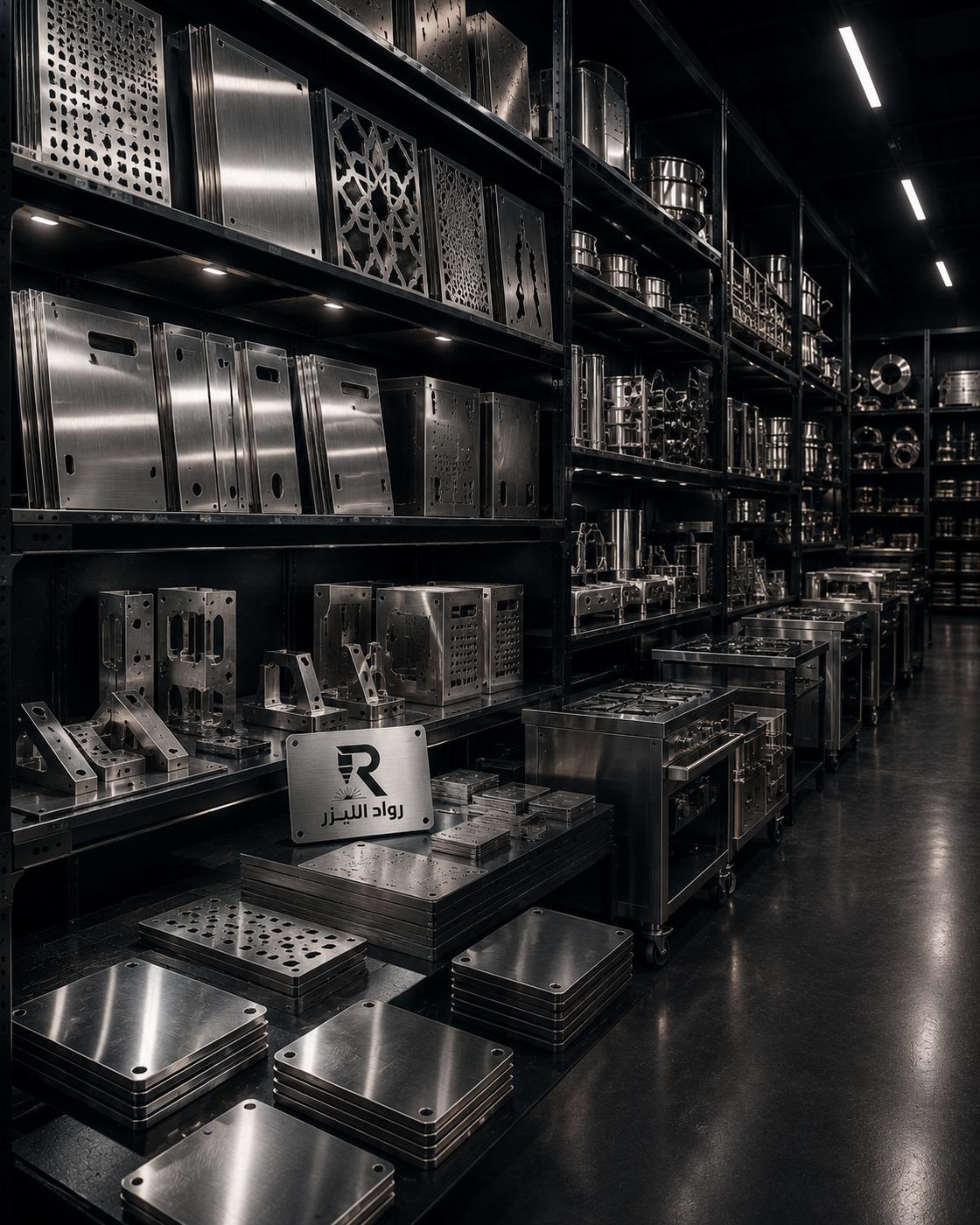 After polishing
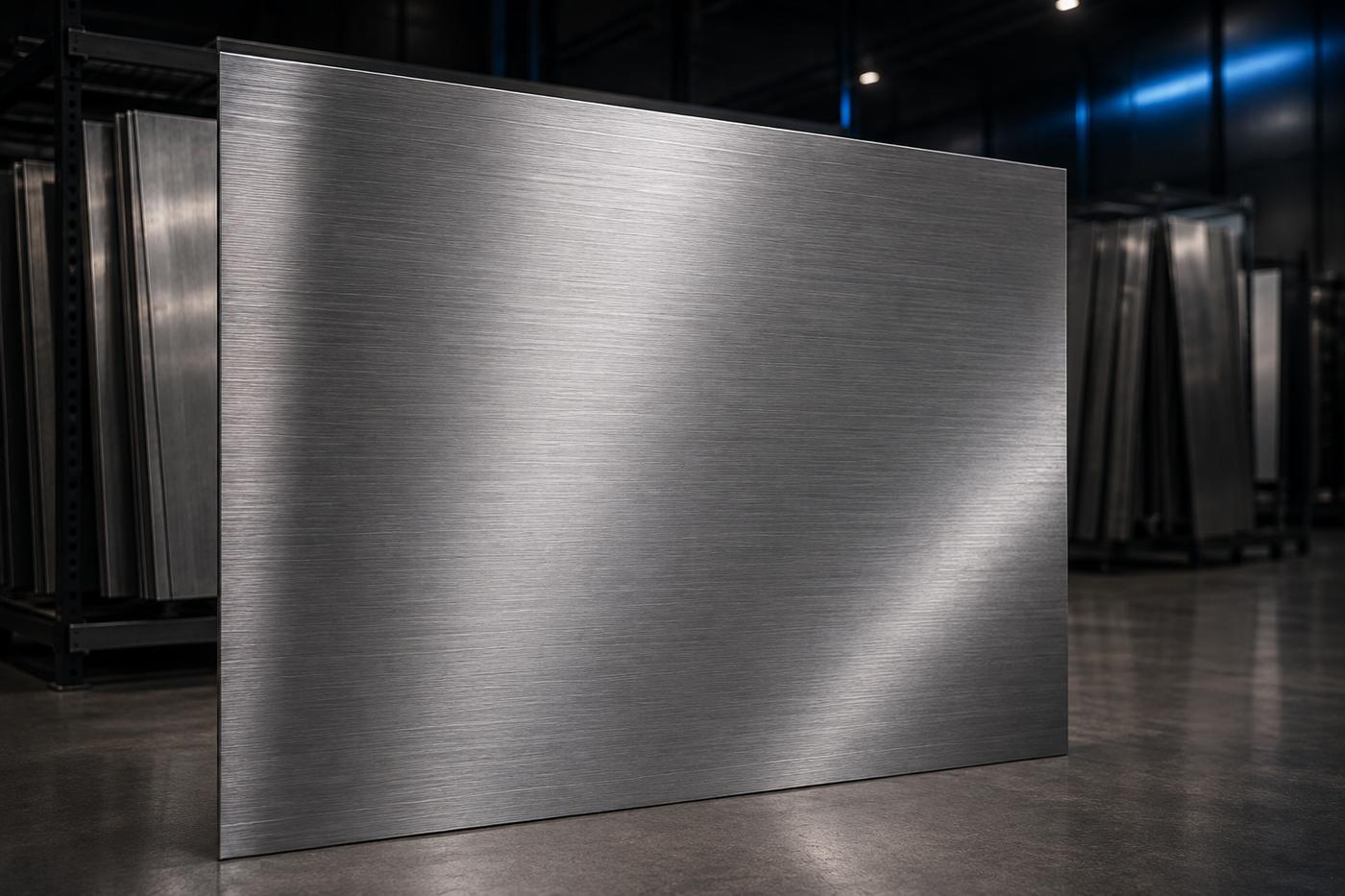 Brushed finish
Images are visual samples illustrating the service.
Complete kitchens: tables, shelving, sinks and hood panels sized to the real space.
Enclosures and equipment for wet or food environments that require hygienic surfaces.
Visible architectural elements where finish consistency between pieces matters.
Shops and branches — units built to your size and repeated across locations to the same standard.
We agree size, load and environment with you, and fix the right grade and finish before anything is made.
Laser cutting the sheets, then bending sides and edges at exact angles ready for assembly.
Welding and cleaning the joints, fitting legs, shelves and handles, and verifying stability.
Polishing along the grain, checking dimensions and edges, and packing that protects the surface until installation.
We keep stainless separate from steel work to prevent the most common cause of stainless rust.
We clean and polish the weld zone rather than covering it, so it regains corrosion resistance.
We build to the space you actually have, so no gaps remain and nothing gets cut on site.
A written schedule with the quote, and production starting within 6 hours of approval.
If you only need cut sheets, without assembly or welding.
Open the pageYour facility logo, asset numbers or operating instructions permanently marked.
Open the pagePolishing, deburring and pre-delivery inspection as a standalone stage for any metal work.
Open the pageThe most common causes: a grade unsuited to the environment (304 in salty air, for example), iron contamination during fabrication, or welds left uncleaned. These are fabrication mistakes rather than metal defects, and we treat them as standard check points on every order.
Yes — that is most of our work. Send the available space dimensions and we build the unit to fit exactly, which beats buying a stock unit and trying to modify it on site.
The quote states this depending on the unit type and location. Some units are delivered ready to use; others need installation or plumbing and electrical connection — tell us what you need and the quote will spell it out.
316 costs more because of its molybdenum content, and the gap depends on thickness, quantity and market price at the time. We can quote both side by side so you decide which suits your project.
Yes — from a trial unit to a complete kitchen fit-out or repeat orders across multiple facilities. For large orders we arrange phased delivery aligned to project progress.
Give the size, use and installation location, and we will define the grade, finish and thickness.
Send the dimensions and a photo of the space if possible, and we will return a clear price and schedule.