
Worktops, shelves and sinks
Worktop panels with sink and hob cut-outs at the kitchen’s real dimensions, then bent and welded into a complete unit.
Restaurant and kitchen fittingsStainless steel does not forgive mistakes: any burn or oxidation on the edge stays visible forever. We cut it with the right settings and assist gas so the edge comes out clean and bright — ready to polish or install as is.
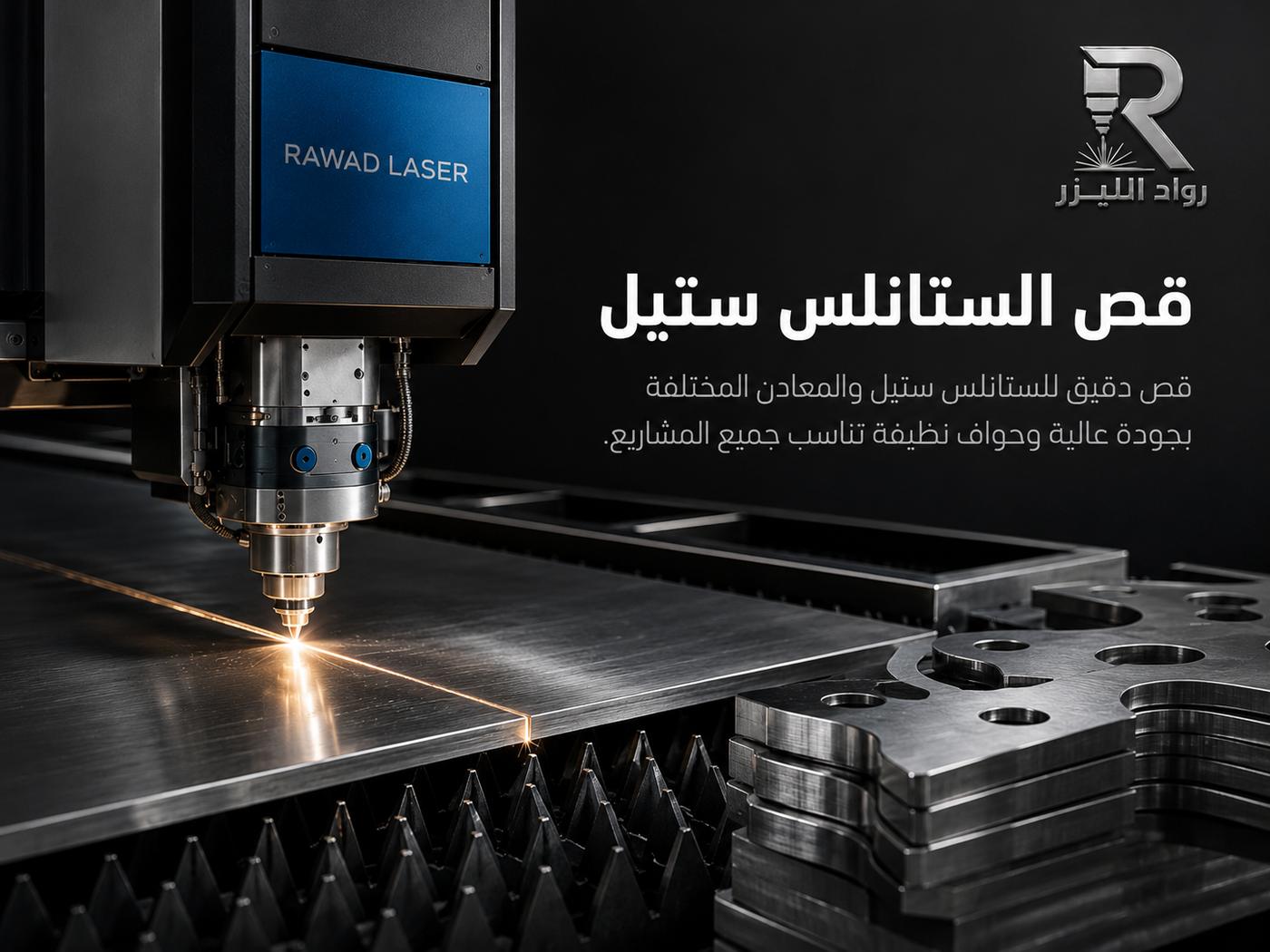
Stainless steel resists rust thanks to a thin chromium-oxide layer that forms on its surface. Any cutting method that causes excess heat or iron contamination can weaken that layer at the edge, so rust appears later exactly at the cut — the most common complaint in cheap stainless work.
A laser works with a very narrow heat-affected zone, and with the right inert assist gas the edge comes out clean — no black oxidation, no contamination from steel tooling. The result is a part that keeps its corrosion resistance in service, and an edge that needs no grinding that would dull its shine.
That is why we use the laser for every stainless job with a visible finish: façades, restaurant fittings, worktops, plaques and balustrades — where the edge itself is part of the product, not something hidden.
Worktop panels with sink and hob cut-outs at the kitchen’s real dimensions, then bent and welded into a complete unit.
Restaurant and kitchen fittingsName plates, entrance signs and logos with crisp edges, optionally combined with fibre engraving for the lettering.
Post bases, mounting plates and dividers cut to site dimensions and designed for real loads and daily use.
Parts with smooth surfaces and clean edges that are easy to sanitise, since any roughness or crevice becomes a place for bacteria to gather.
Parts working in wet or chemical environments where painted steel fails within months, so they are made in stainless from the start.
Send the old part or a photo with dimensions, and we cut a matching replacement in stainless to outlast the original.
Choosing grade and finish before cutting saves you a replacement cost later. This is what we base our recommendation on.
| Grade / finish | Properties | Recommended use |
|---|---|---|
| 304 (18/8) | Good corrosion resistance, easy to bend and weld, generally non-magnetic. | Kitchens, furniture, interior décor, worktops, general equipment. |
| 316 / 316L | Higher resistance to chlorides and chemicals thanks to molybdenum. | Coastal environments, bathrooms, pools, chemical and medical applications. |
| 430 | Ferritic and magnetic, less nickel, cheaper, less corrosion resistant than 304. | Interior panels, covers and dry applications not in constant water contact. |
| 2B finish | A smooth, semi-bright surface — the most available and lowest cost. | Parts that will be coated or hidden, or where final appearance does not matter. |
| Brushed | Directional grain lines that hide fingerprints and light scratches. | Façades, restaurant fittings, plaques — anything the customer sees. |
| Mirror | A highly reflective surface that shows every scratch and fingerprint. | Premium décor and feature plaques, kept in protective film until installation. |
Available thicknesses and grades vary by order and material availability — send your spec and we confirm availability and price before starting.
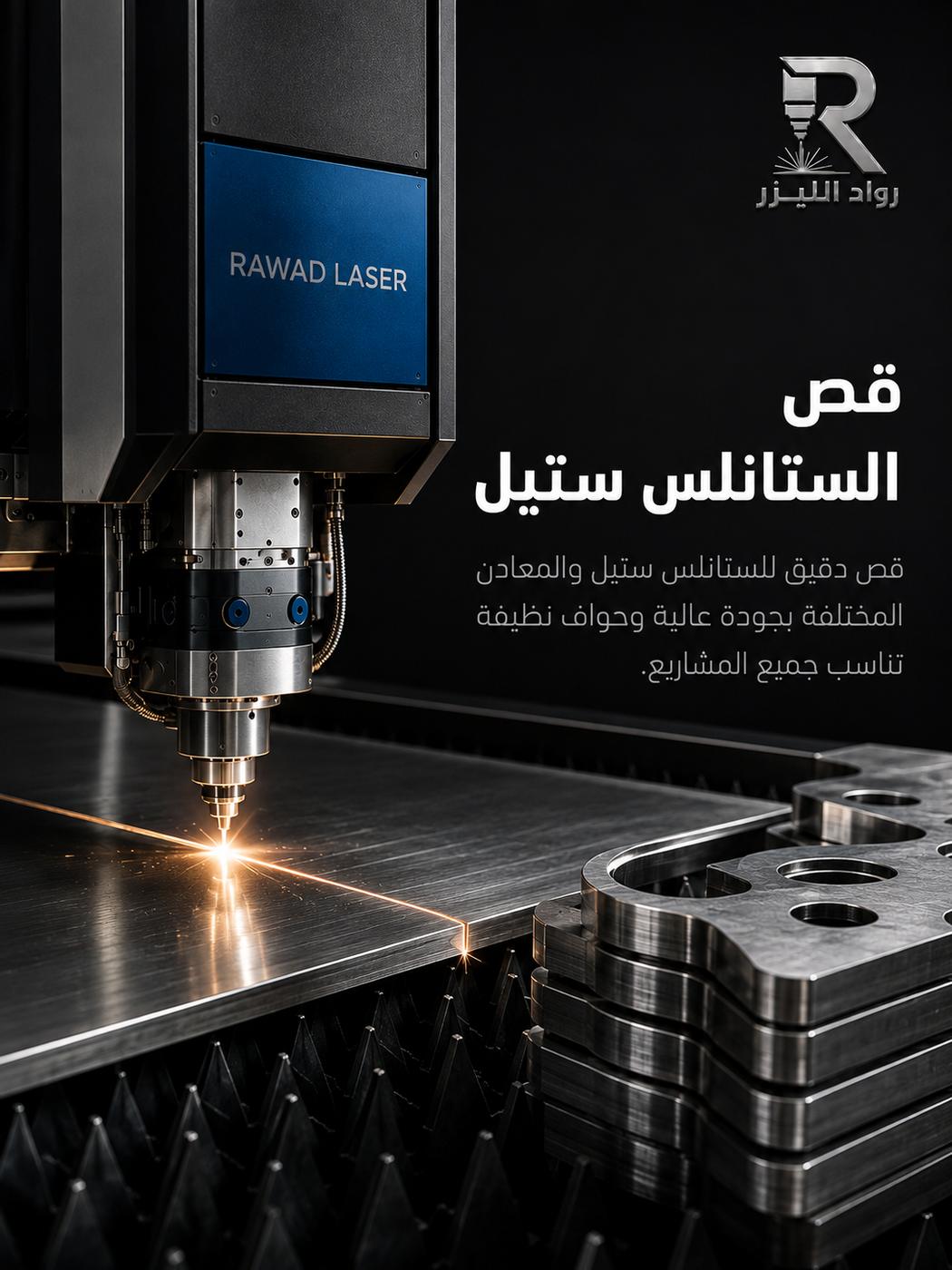 Stainless cutting
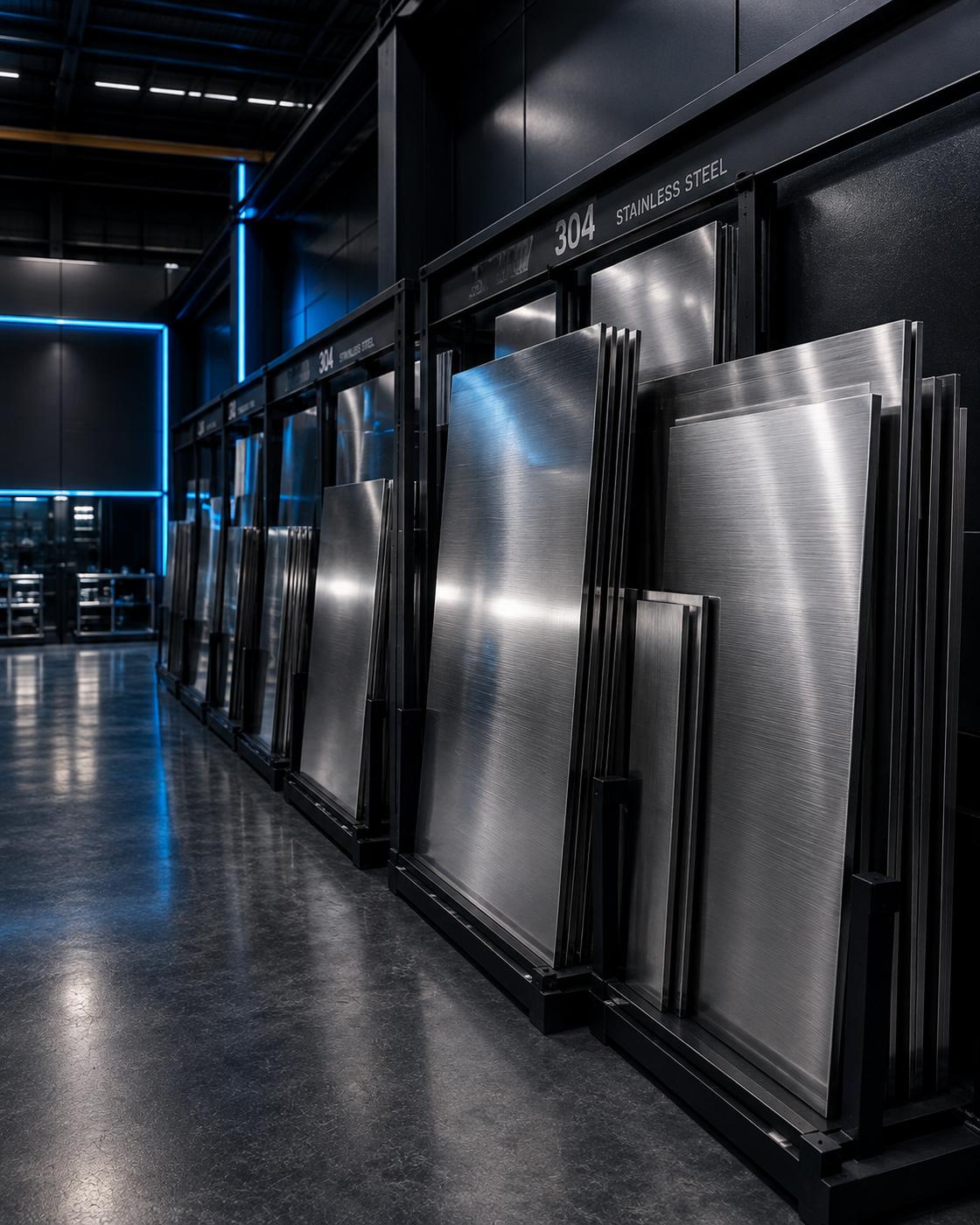 304 sheets
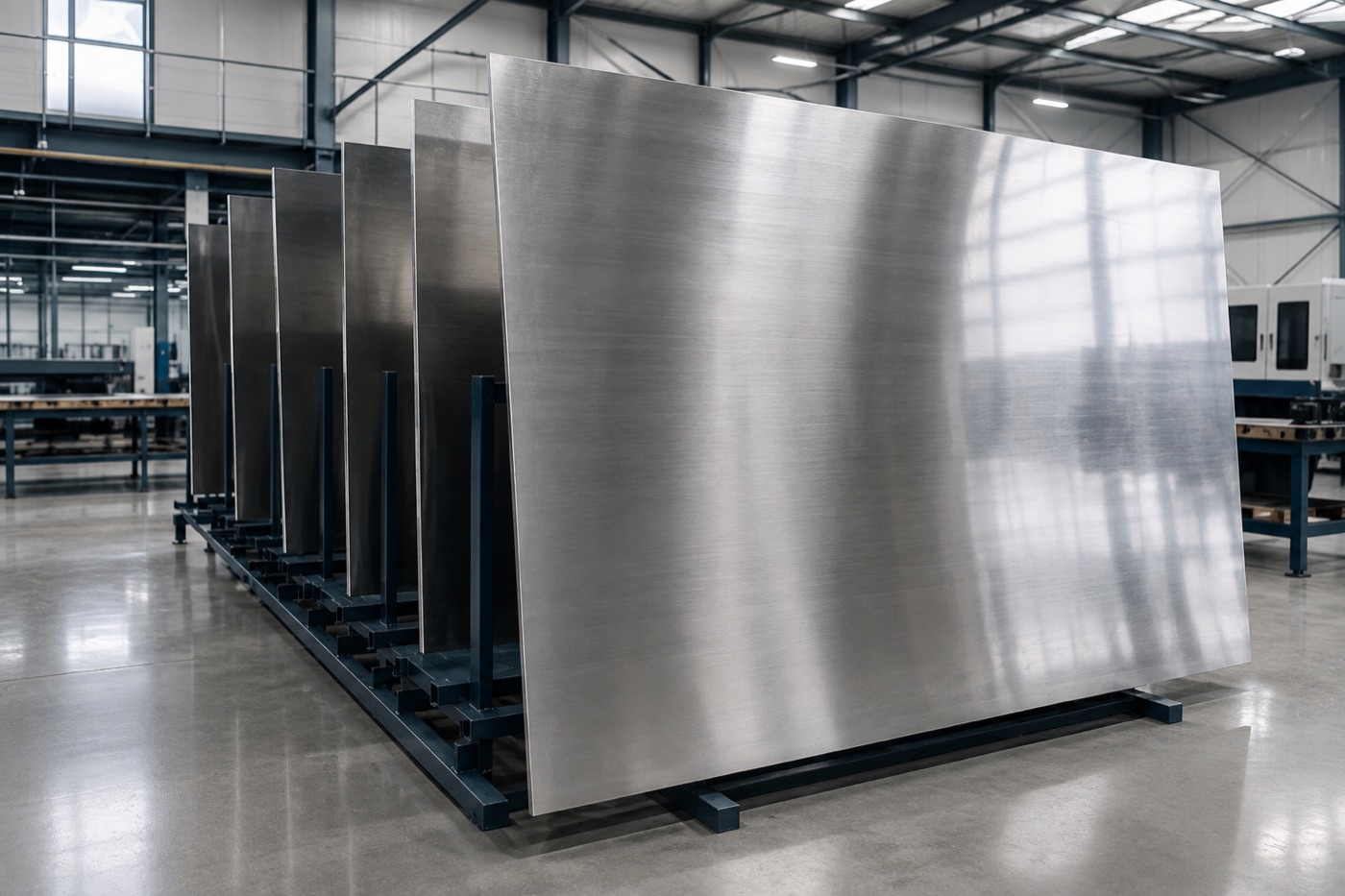 Brushed finish
Images are visual samples illustrating the service.
Prep tables, shelving, hood panels and counter fronts that survive daily cleaning with strong agents.
Visible architectural elements where finish matters: dividers, column cladding and entrance lettering.
Parts working in wet or food environments that require metal which neither rusts nor reacts with the product.
Name and entrance plates for residential projects, and replacement plates for equipment — in batches, with a different name or number on each piece.
From cutting to bending, welding and polishing until the unit arrives ready to install.
Open the pageExact-angle bending with the right inside radius so the edge does not crack.
Open the pagePermanent marking of names, logos and QR codes with clear contrast on a brushed surface.
Open the pageNot if it is cut with the right assist gas and settings, and if the part is not contaminated by steel tooling afterwards. We control both, and keep stainless separate from steel work to avoid iron contamination.
For interior parts, 304 is sufficient and economical. For anything outdoors, near the sea, or constantly exposed to high humidity we recommend 316 for its higher chloride resistance — the price difference is far smaller than replacing a corroded part.
Yes, and it is best to keep the protective film on the sheet during cutting and remove it at installation. Tell us the finish is visible and critical, and we handle and pack the part accordingly.
Yes. We cut stainless batches for contractors, factories, restaurants and shop owners with the same precision from the first piece to the last, and every piece is inspected before delivery.
Tell us the grade (304 or 316), thickness, finish and quantity — or describe the use and we will advise.
Send the drawing or dimensions and we will return a price and a schedule, usually the same working day.