
Base plates and anchor plates
Plates with bolt holes at exact positions that match the site anchors first time.
Steel is where most projects start: cheaper, stronger under load, and easier to weld. We laser-cut it on a precise path so today’s part matches next week’s part exactly.
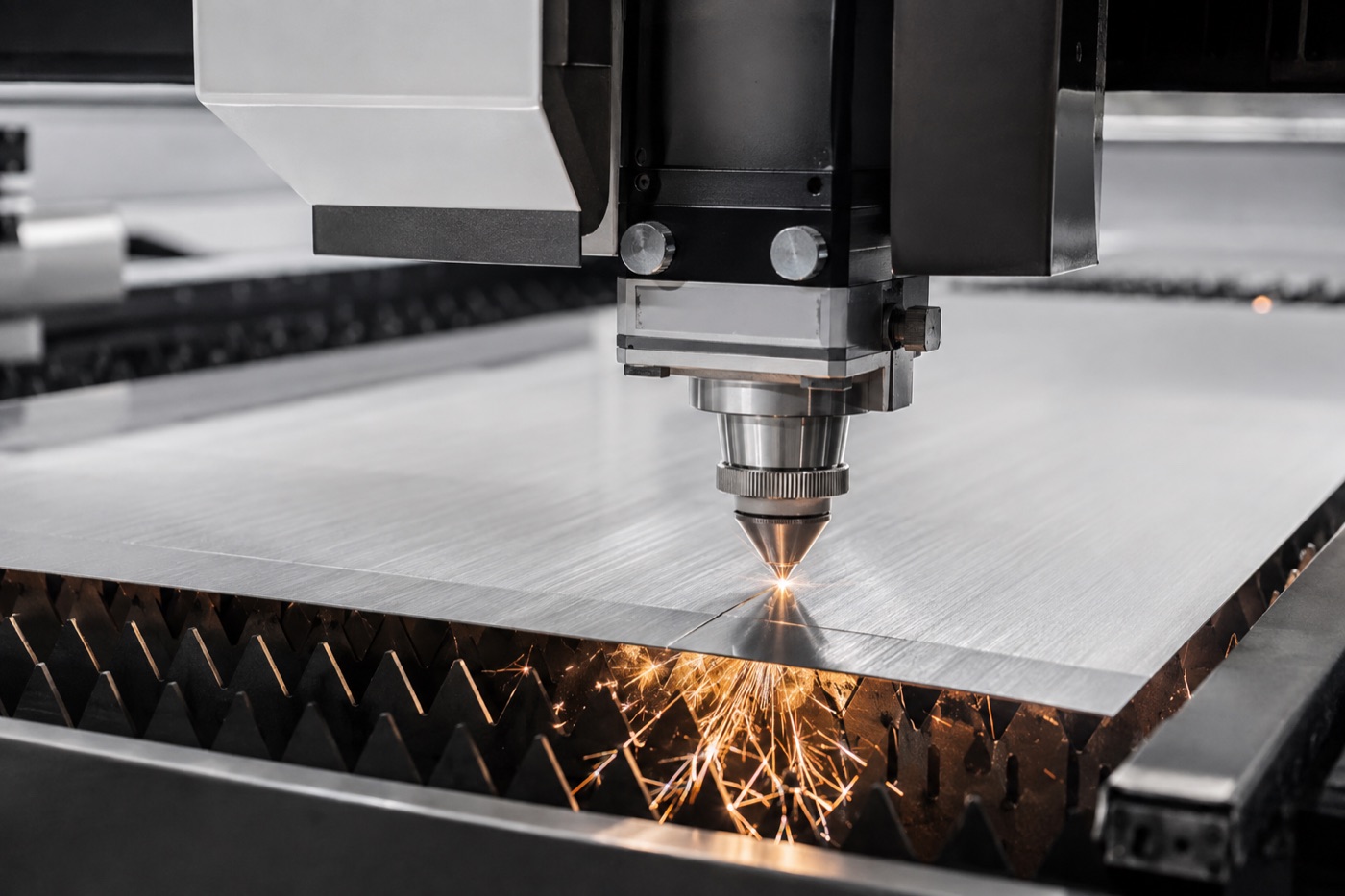
Mild (carbon) steel is the most used metal in fabrication for one simple reason: its strength-to-price ratio beats every other metal. A load-bearing part, a base plate anchored into concrete, a frame that will be clad later — all are made in steel, because any alternative would double the cost with no real benefit.
Its only drawback is that it rusts — and that is entirely solvable: powder coating, primer plus topcoat, or hot-dip galvanising for parts that will live outdoors. What matters is planning the protection from the start, not reacting after rust appears.
Practically, steel is the easiest metal to laser cut: it absorbs the beam efficiently and gives a straight edge at a higher cutting speed — which makes it the most economical metal for large, repeating orders.
Plates with bolt holes at exact positions that match the site anchors first time.
Reinforcement and connection pieces welded into frames, cut to the exact count instead of being hand-cut on site.
A replacement for a broken machine or line part, cut from the original or the drawing to get the equipment running again.
Hundreds of identical parts with matching accuracy and a fixed per-piece cost — the basis of any assembly line.
Contracting and bulk projectsFlat parts with ventilation slots and cable entries, ready to bend and assemble into a box or enclosure.
Steel letters powder-coated in any colour — the economical alternative to stainless for large signage.
Façades and metal signageA steel part needs one decision after cutting: how will it be protected? Here are the common options and where each fits.
| Protection method | What it gives | Best for |
|---|---|---|
| Primer + topcoat | Good protection at low cost, and easy to touch up locally when scratched. | Interior parts and frames sheltered from rain and direct moisture. |
| Powder coating | A uniform, hard, scratch-resistant layer in RAL colours with consistent gloss. | Visible parts: signage, furniture, covers and interior balustrades. |
| Hot-dip galvanising | A zinc layer that protects even when scratched and lasts years outdoors. | Outdoor and structural parts exposed to rain and constant humidity. |
| No coating | Surface rust starts within weeks in Jeddah’s humid climate. | Temporary parts, prototypes, or anything that will be enclosed immediately. |
The quote states clearly whether protection is included or separate, so there are no surprises in the final cost.
 Sheet cutting
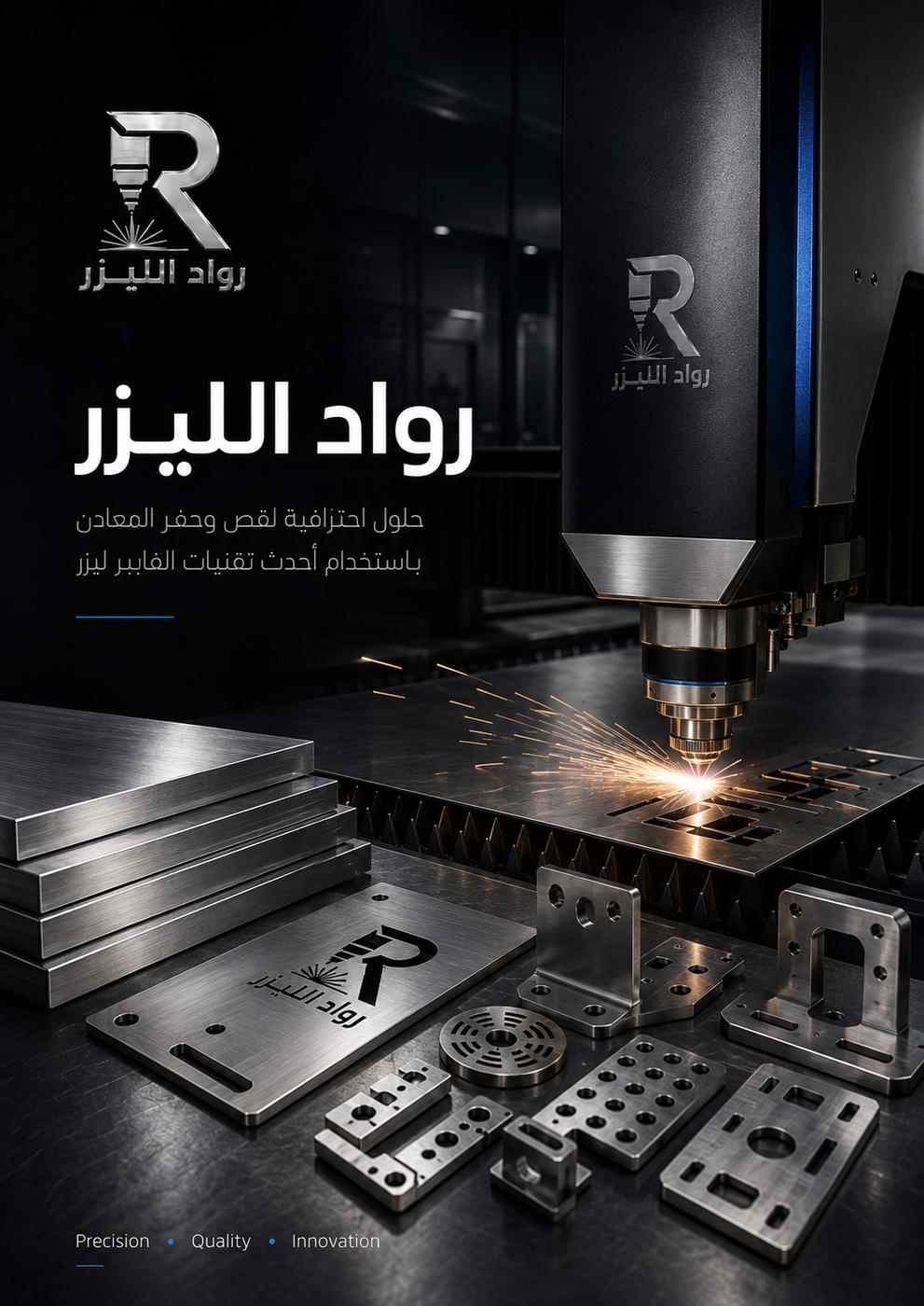 Parts with holes
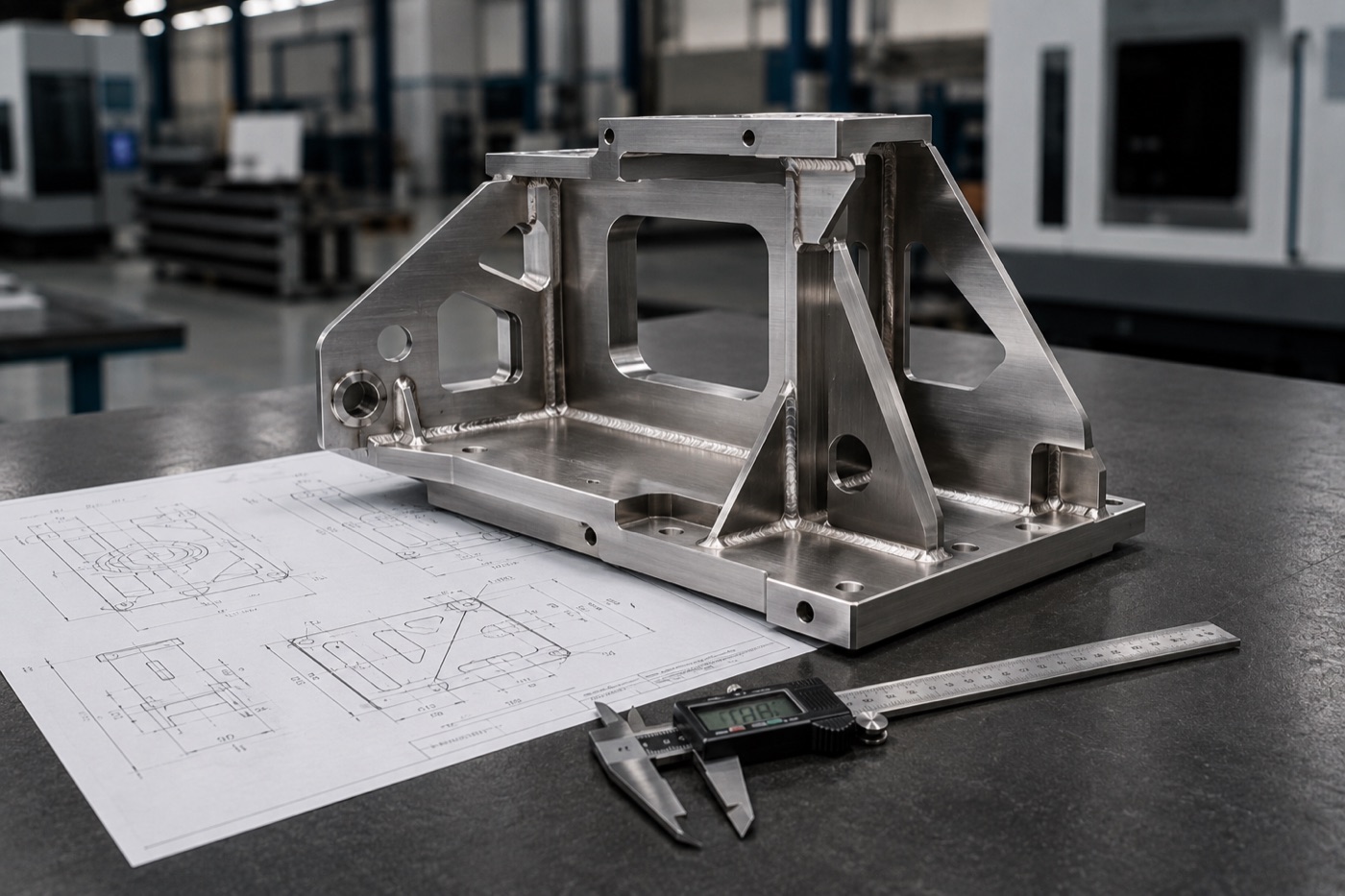 Matched to drawing
Images are visual samples illustrating the service.
Column bases, connection plates and fixings made to site dimensions rather than stock sizes.
Spares, mounts and machine jigs cut in the exact quantity, when needed.
Table legs, shelf frames and dividers cut then powder-coated in specific colours.
Testing a design at low cost before committing to a costlier metal or a large batch.
Turning flat parts into boxes, angles and 3D frames with exact angles.
Open the pageComparing steel with aluminium and galvanised sheet to fit your performance and budget.
Open the pageDeburring, descaling and dimensional checks before delivery or coating.
Open the pageIt depends on the part. For simple shapes in heavy thickness, other methods can be cheaper. Where holes, detail and accuracy are required, the laser removes whole finishing and rework stages and ends up cheaper overall — and we will tell you honestly if your part is the first kind.
We deburr and remove sharp edges as standard. Full scale removal (grinding or blasting) is an extra stage priced in the quote on request — and it is necessary if you plan a high-quality coating.
Available thicknesses vary by order. Send us the thickness and size and we confirm feasibility and price before any commitment — and if another method suits your part better, we will say so plainly.
We coordinate finishing stages alongside cutting so the part arrives as ready as possible. Tell us the protection you need and the quote will state what is included, what is separate, and how long each stage takes.
Attach the file or dimensions with thickness and quantity, and note whether the part will be painted or galvanised after cutting.
Send the drawing and the part count, and we will return a per-piece price and a clear schedule.